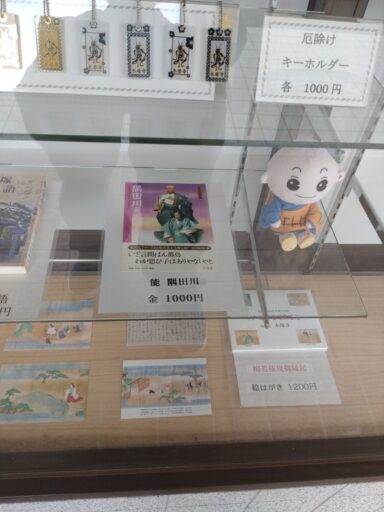
Tragedic Legend of Umewakamaru, the subject of the Noh play Sumidagawa by Zeami.
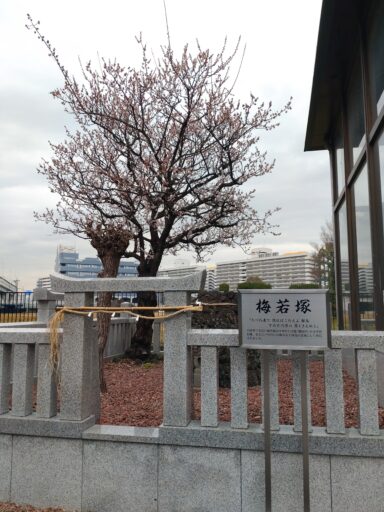
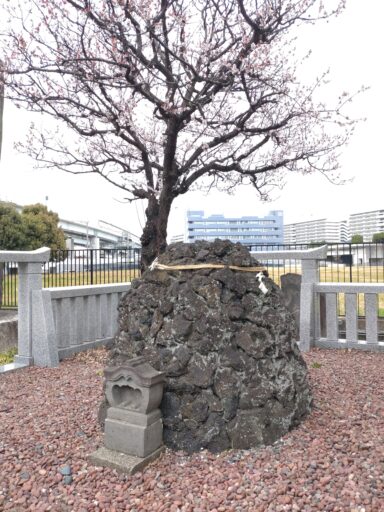
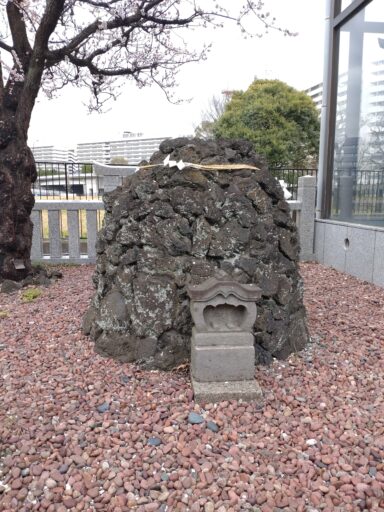
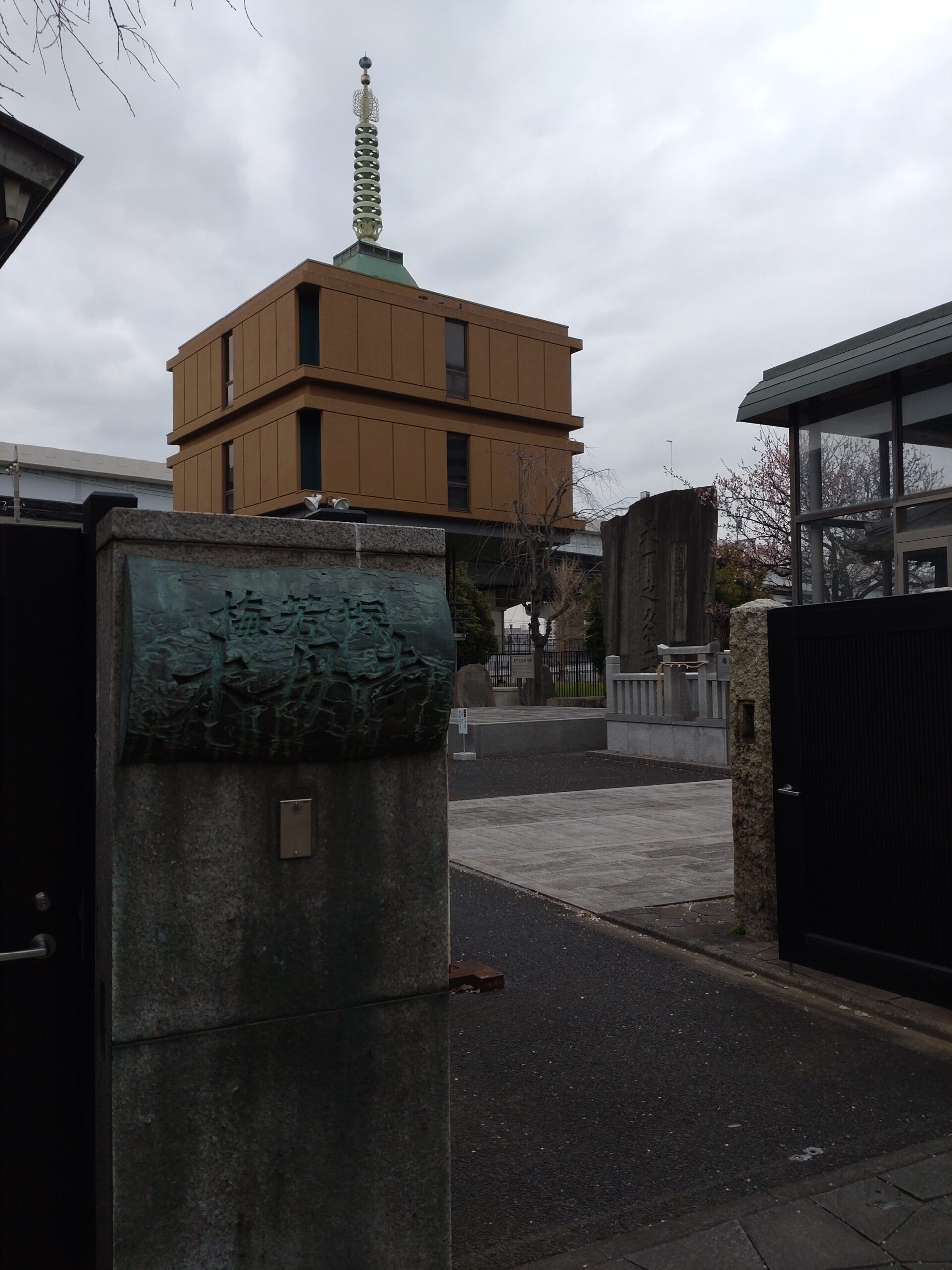
It is said that the name of the temple, Mokubo-ji (木母寺), was created by breaking down the kanji character for plum (ume, 梅) into its component parts: tree (moku, 木) and mother (bo, 母). The plum refers to Ume-waka-maru (梅若丸; literary, plum-young-man), the tragic protagonist of the Noh play Sumidagawa by Zeami.
The Umewaka-zuka (梅若塚), a memorial mound dedicated to Umewakamaru, has been recreated within the current grounds of Mokubo-ji Temple.
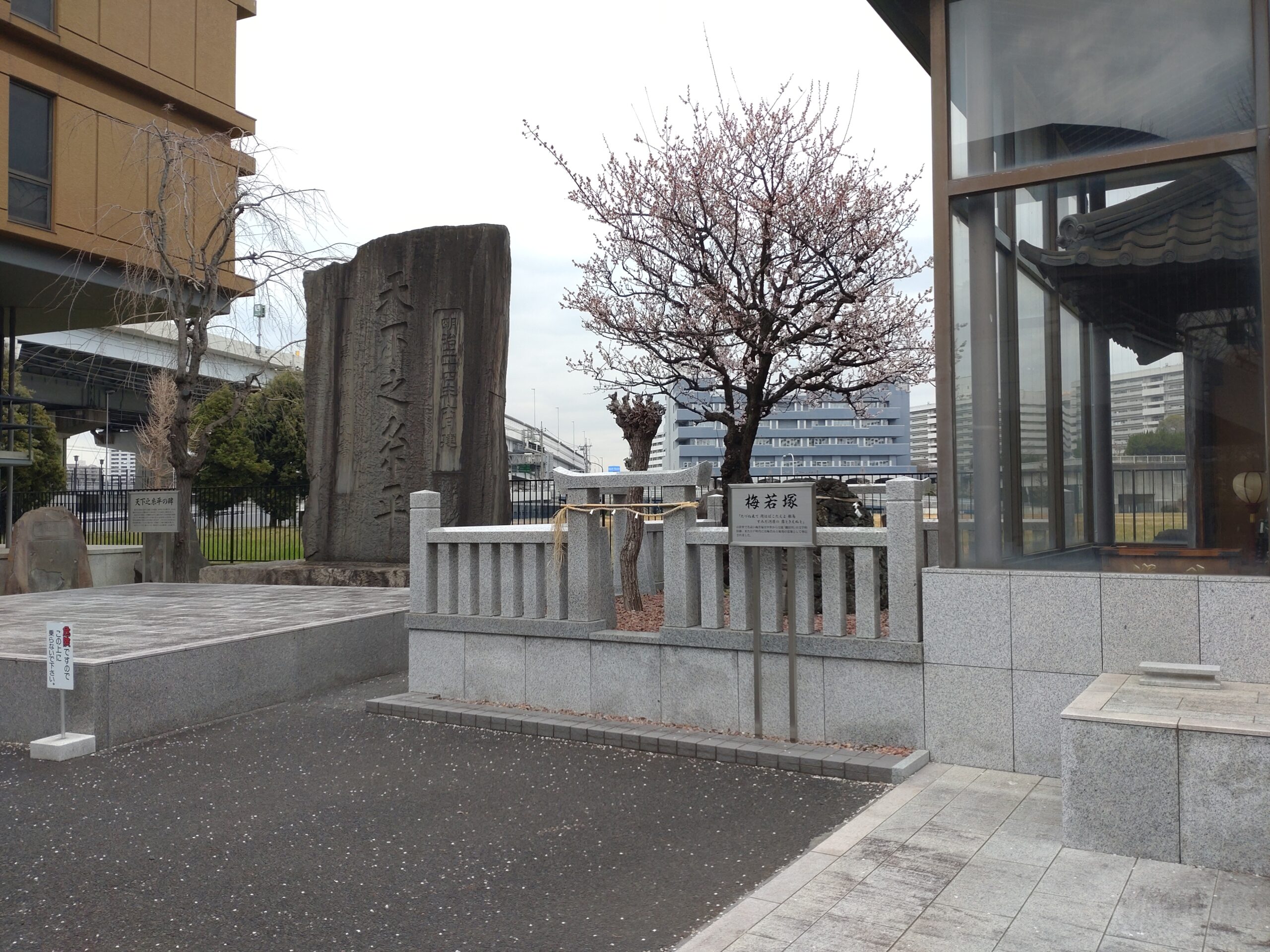
Itohei the Silk King; The Largest Stone Monument in Tokyo inscribed by the First Prime Minister of Japan Itō Hirobumi
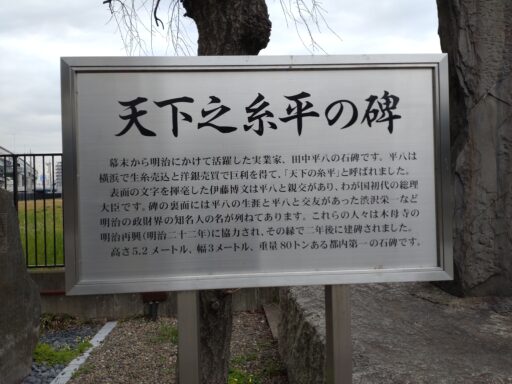
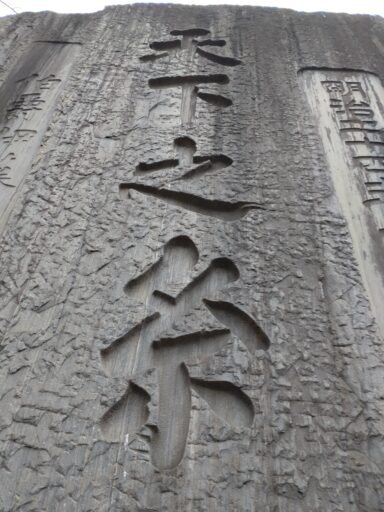
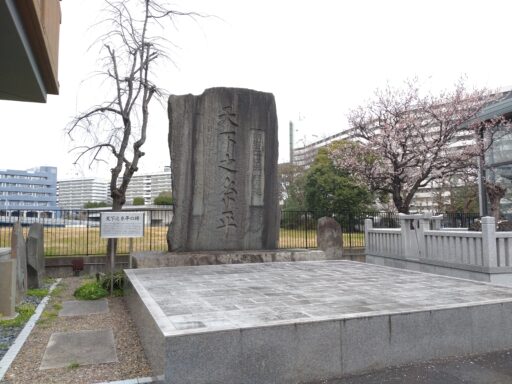
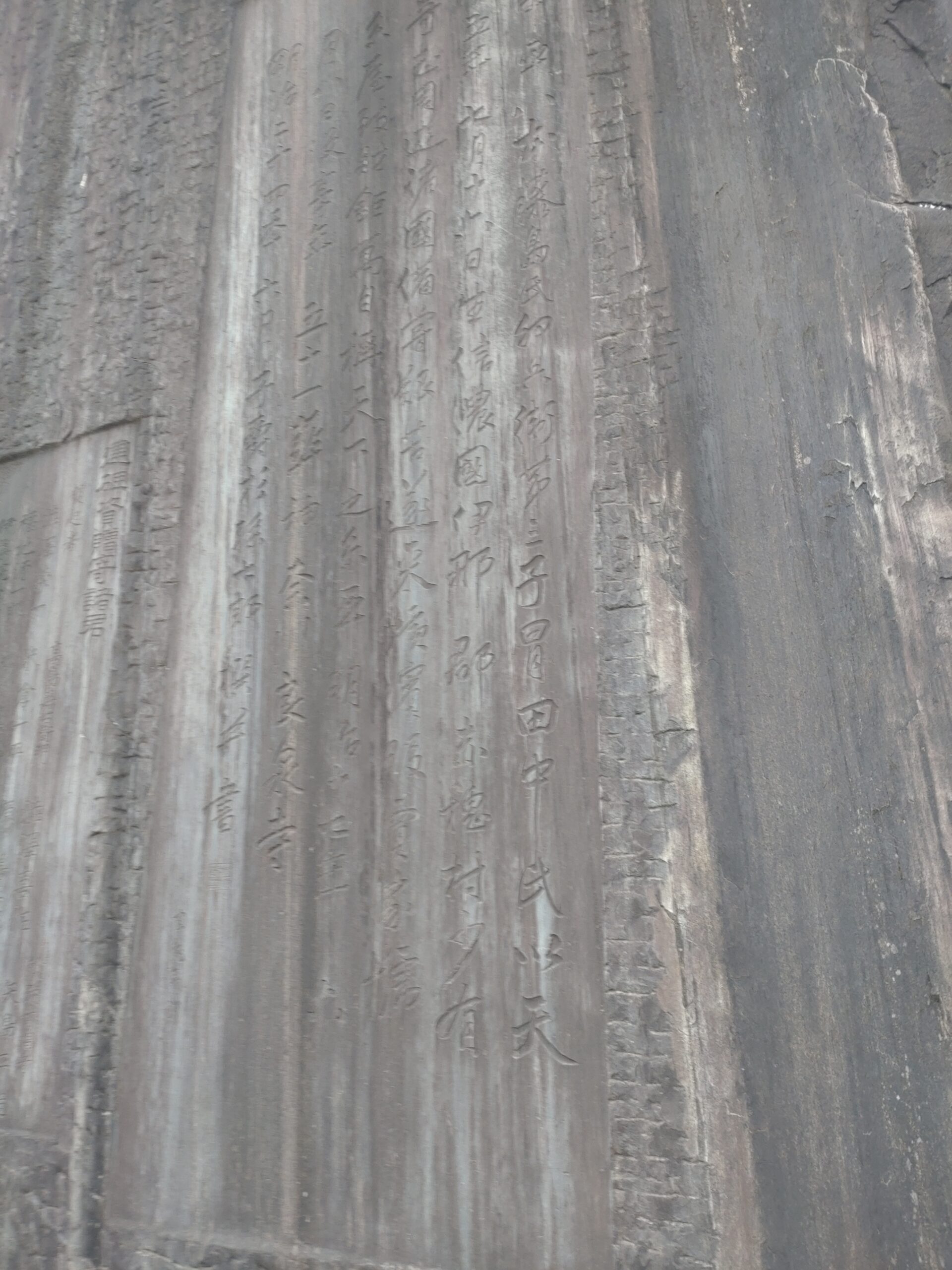
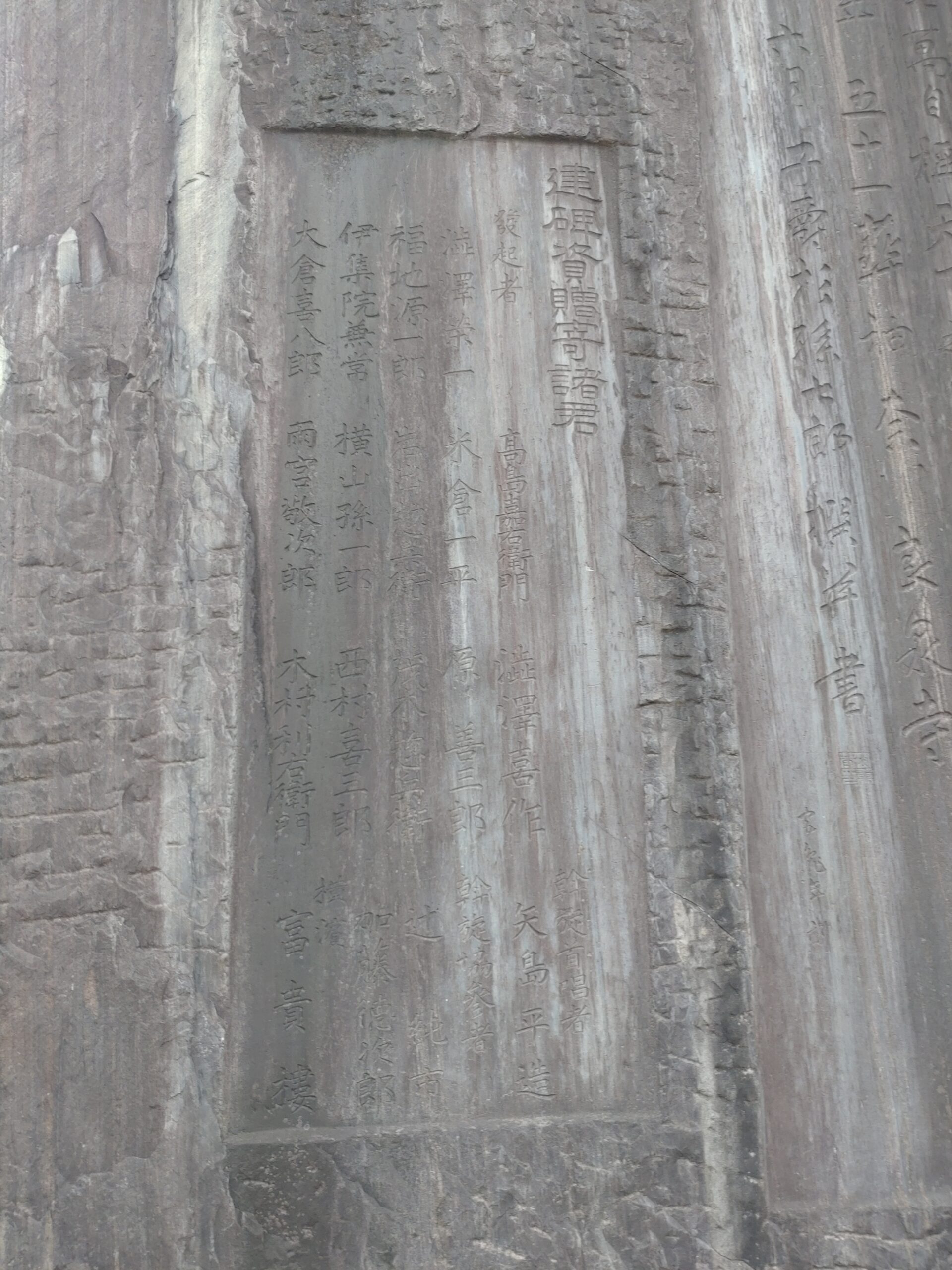
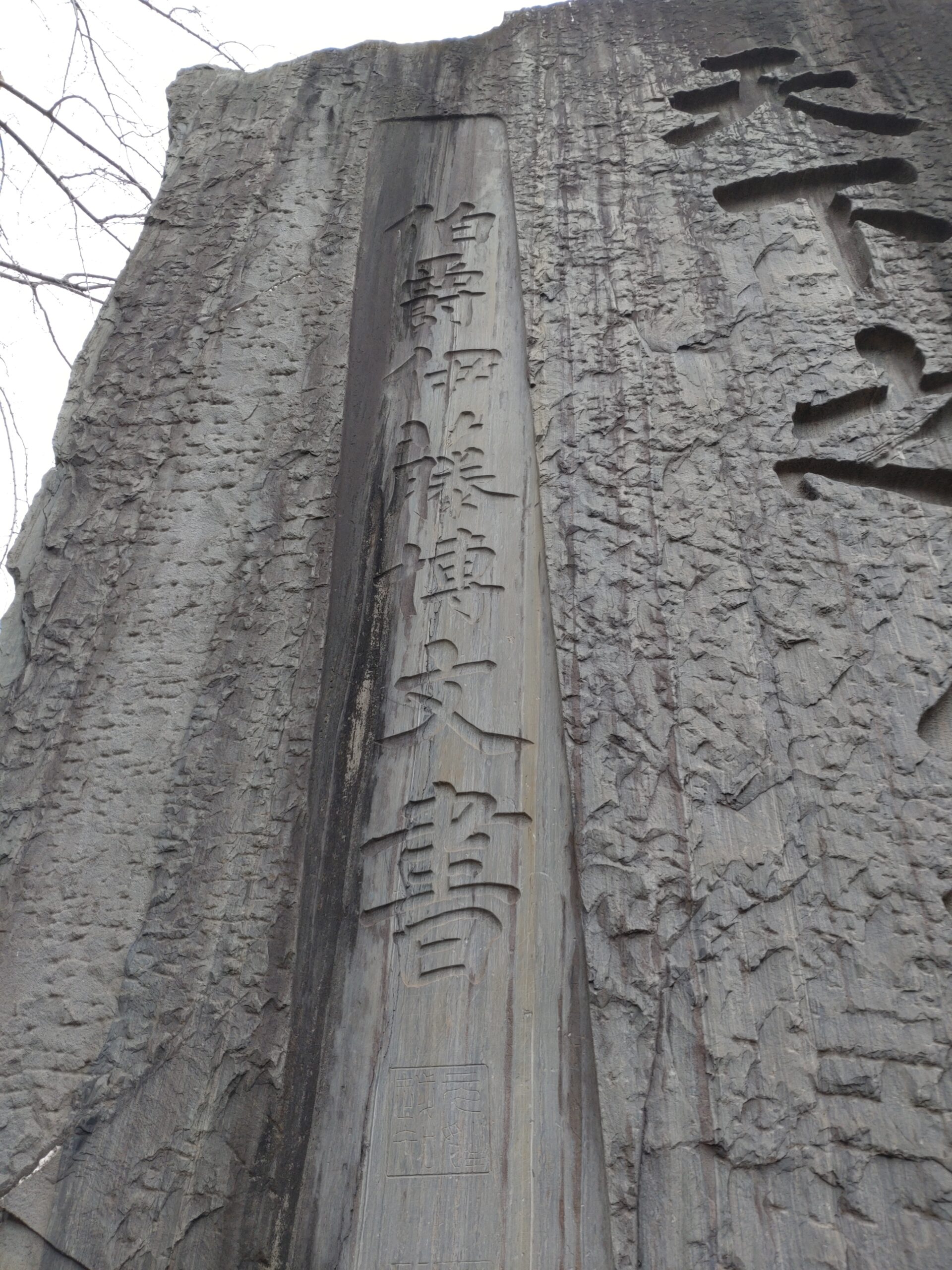
Heihachi Tanaka (田中平八) became a billionaire through the silk trade during the Meiji period. Upon his death, he left a will requesting that a massive stone monument inscribed with his nickname, ‘Tenka no Itohei’ (天下之糸平; Itohei of the World), be erected. Today, that monument stands within the grounds of Mokubo-ji Temple, featuring calligraphy engraved by Japan’s first Prime Minister, Itō Hirobumi.
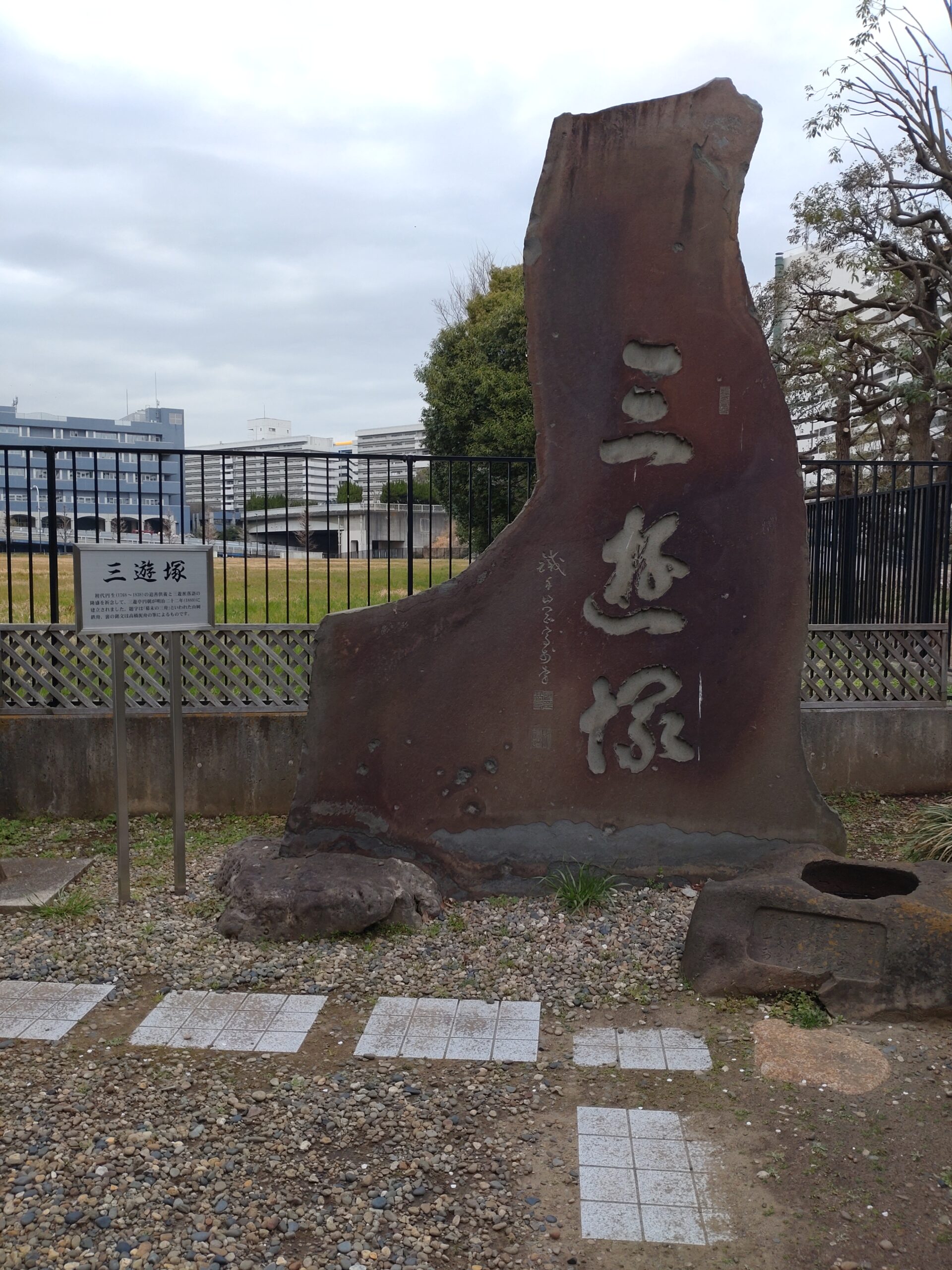
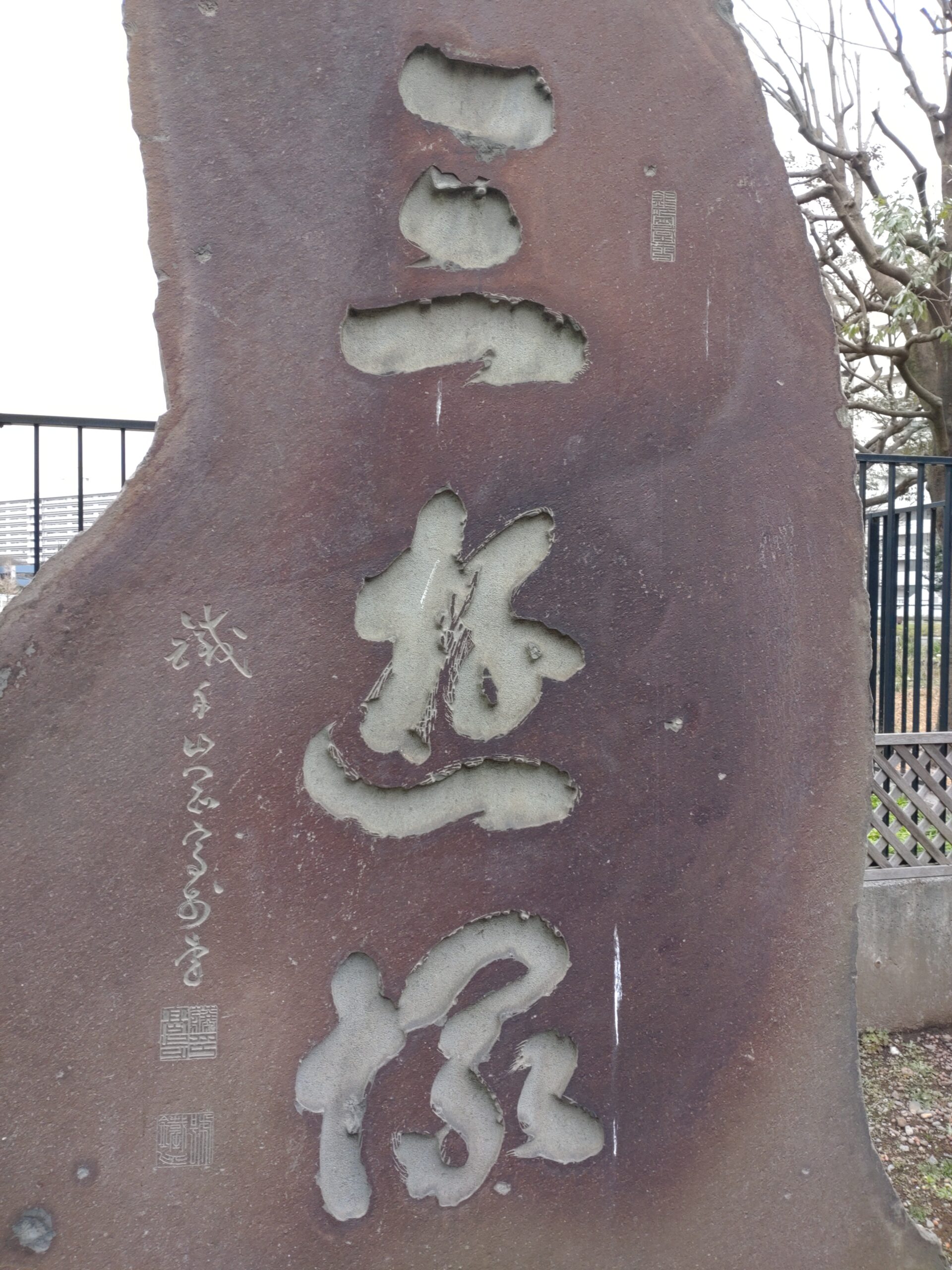
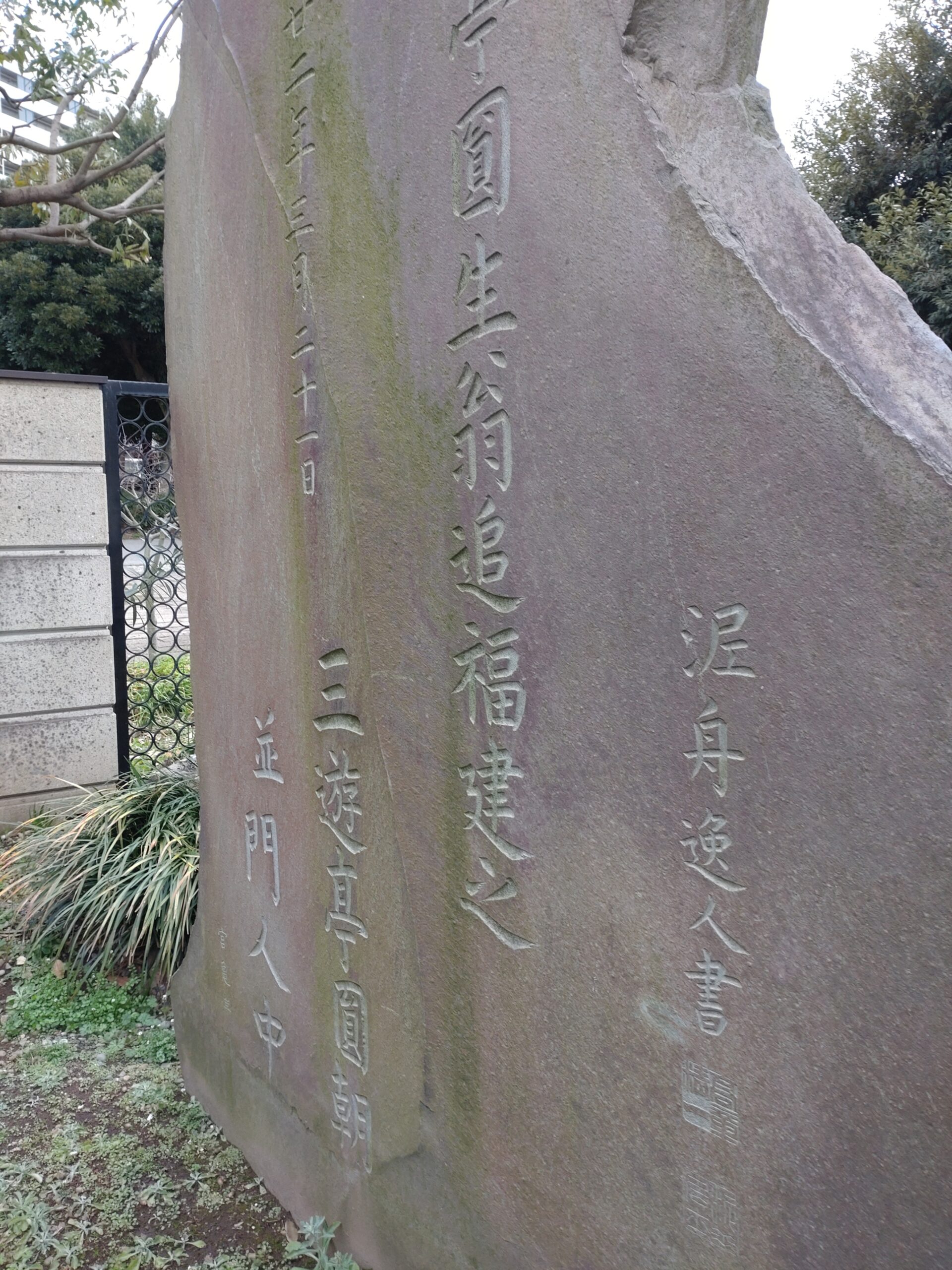
Sanyu Stone Monument