The oldest rice cake wrapped by cherry leaves
Official Site Chōmei-ji Sakura-mochi
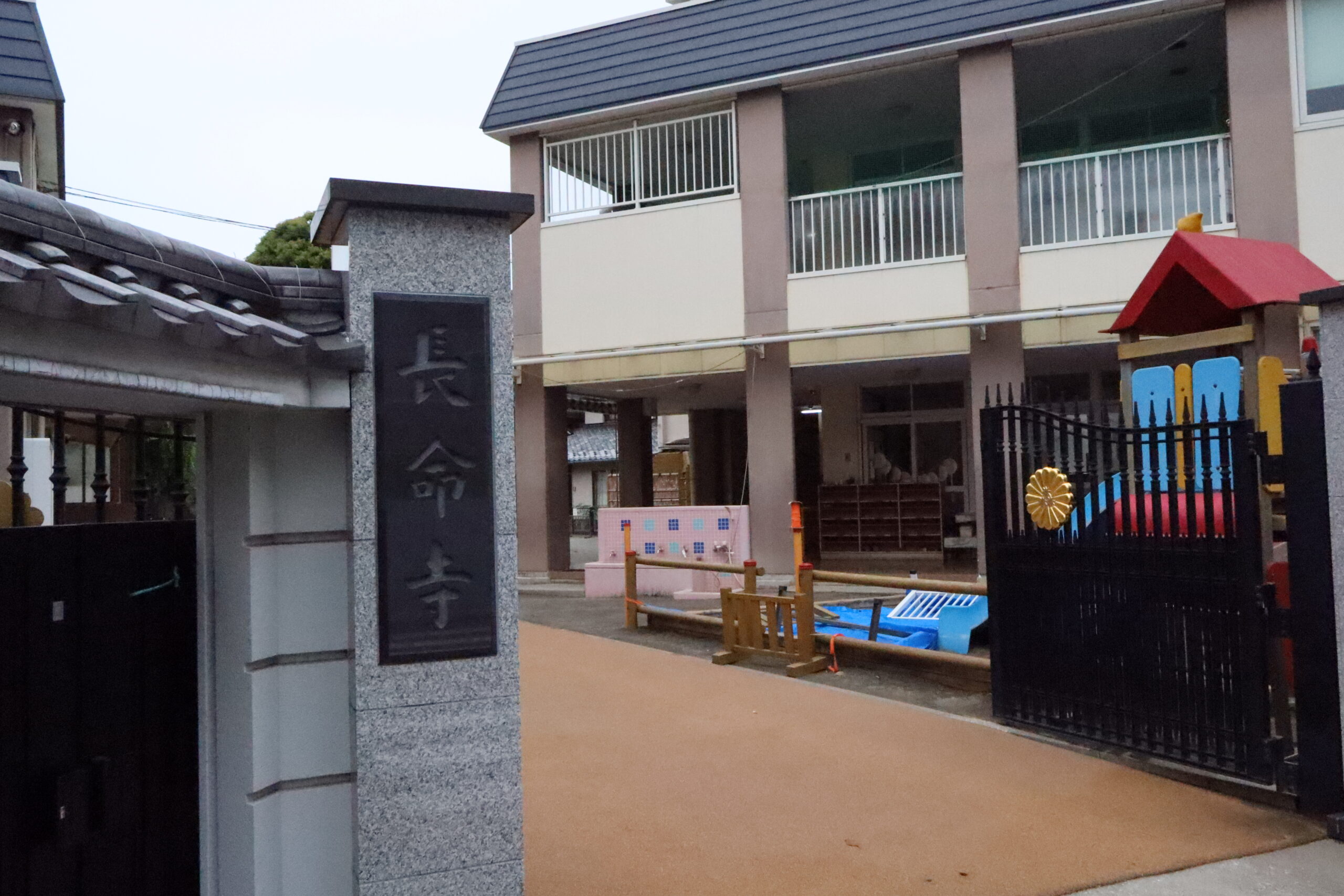
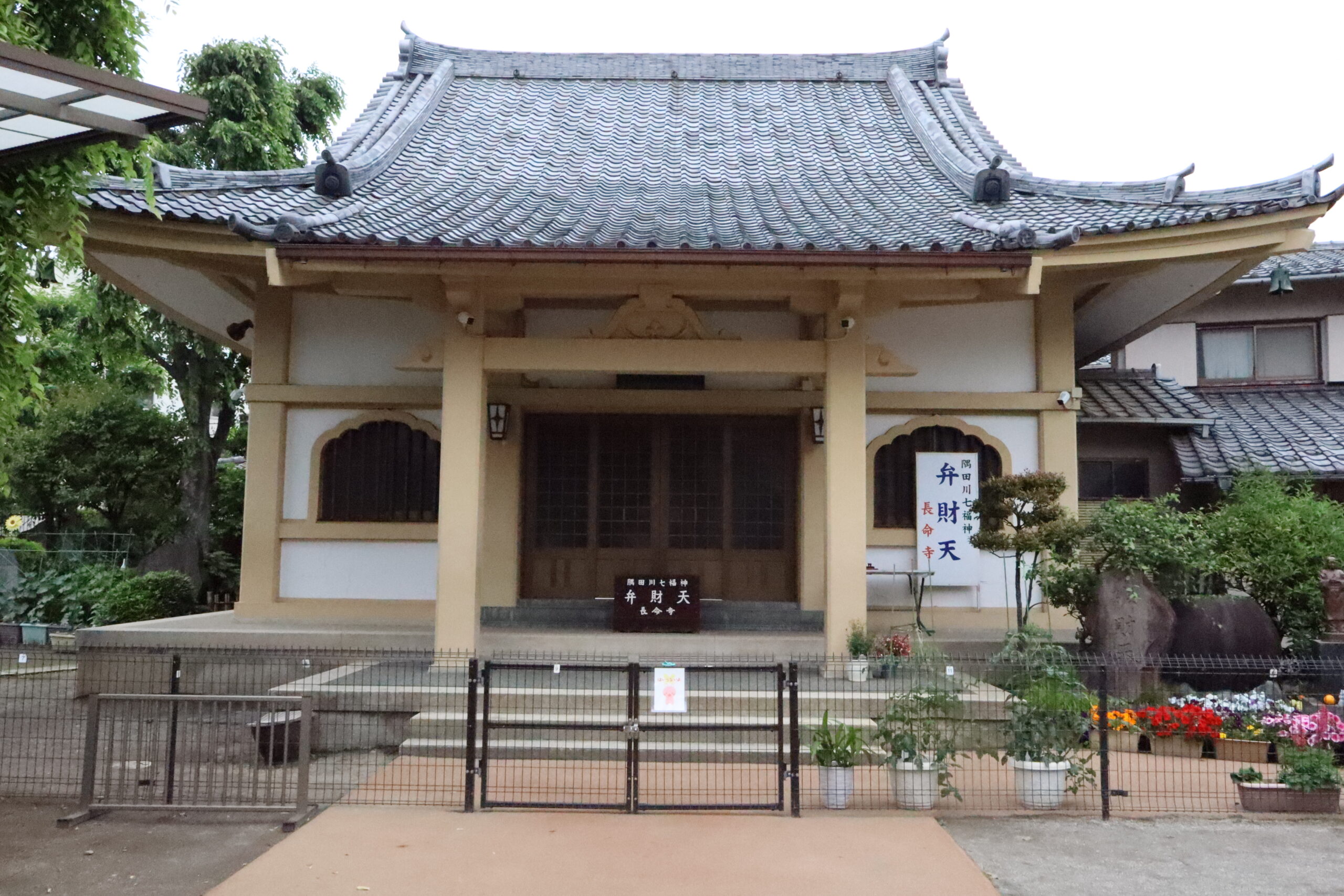
Across the Sumida River from Asakusa (via Sakurabashi Bridge) lies Mukōjima (向島), home to a temple called Hōjuzan Chōmei-ji Temple (宝寿山長命寺). During the Kan’ei era (around 1630), the Shogun fell slightly ill while out on a hunting trip and stopped at this temple to rest. After taking his medicine with water from a well in the front garden, he recovered instantly. Consequently, he bestowed the name “Chōmei-sui” (Long-Life Water) upon the well and ordered that the temple’s name be changed accordingly. From then on, it came to be known as Chōmei-ji—prior to that, it had been called Jōsen-ji (The Illustrated Guide to Famous Places of Edo, Vol. 7, Book 19 江戸名所図絵). Since this took place during the Kan’ei era, the Shogun in question was the third Tokugawa Shogun, Iemitsu.
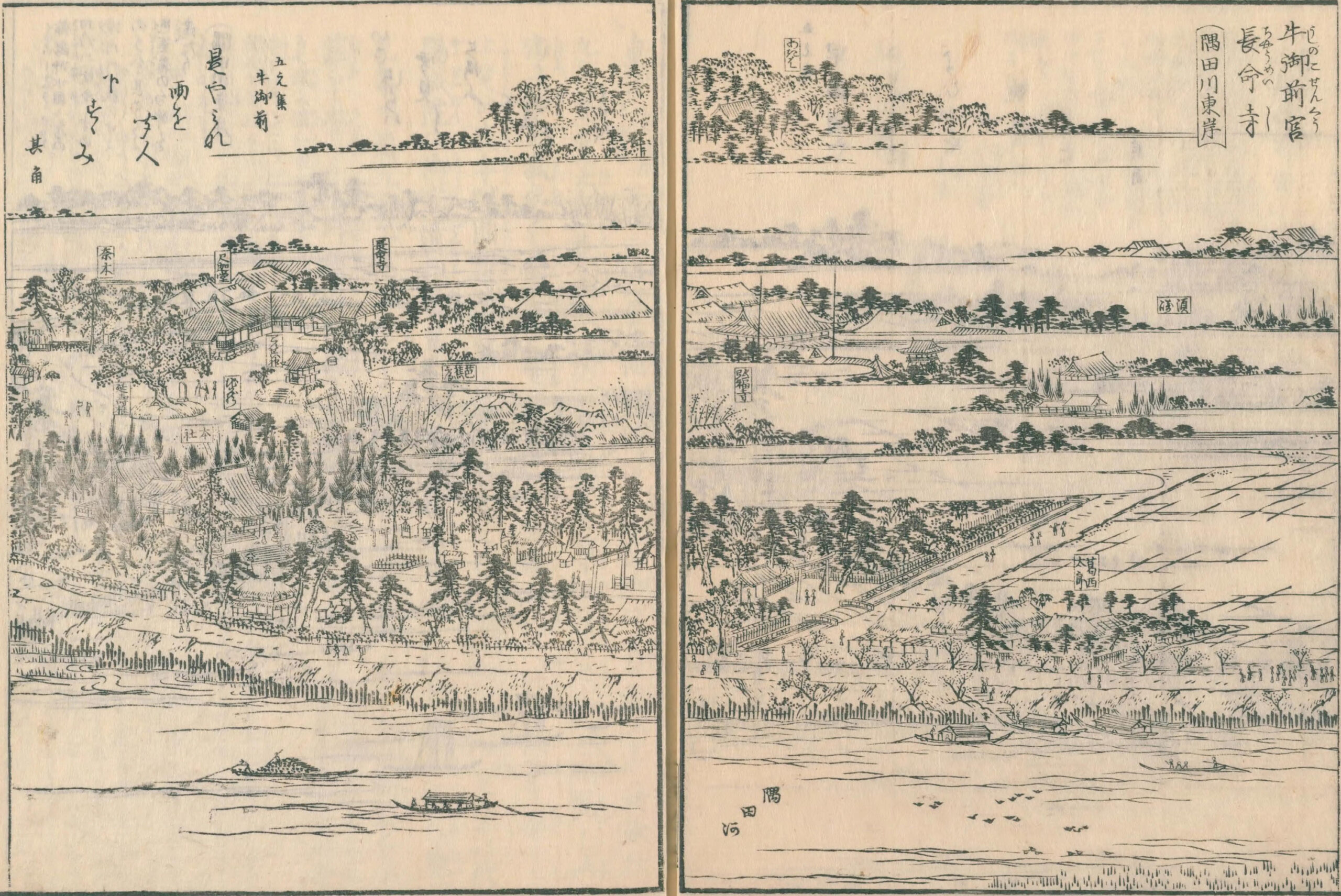
In 1717 (Kyōhō 2), during the reign of the eighth Tokugawa Shogun, Yoshimune, cherry trees were planted along the Bokutei (the banks of the Sumida River) by government decree (National Diet Library Collaborative Reference Database). At the time, a temple caretaker at Chōmei-ji named Shinroku Yamamoto began preservation-salting those cherry leaves, wrapping them around rice cakes (mochi), and selling them in front of the Chōmei-ji temple gate. It reportedly became a massive hit among cherry blossom viewers and other visitors. Chōmei-ji had been entrusted by the Temple and Shrine Magistrate (Jisha-bugyo) with the maintenance of the Bokutei banks and the cherry tree rows, and Shinroku Yamamoto appears to have served as a sort of field watchman (nomori). In any case, this shop, Yamamoto-ya, continues to operate its rice cake business in the exact same location today. The sakura-mochi enjoyed all over Japan today is said to have originated right here at “Chōmei-ji Sakura-mochi Yamamoto-ya.”
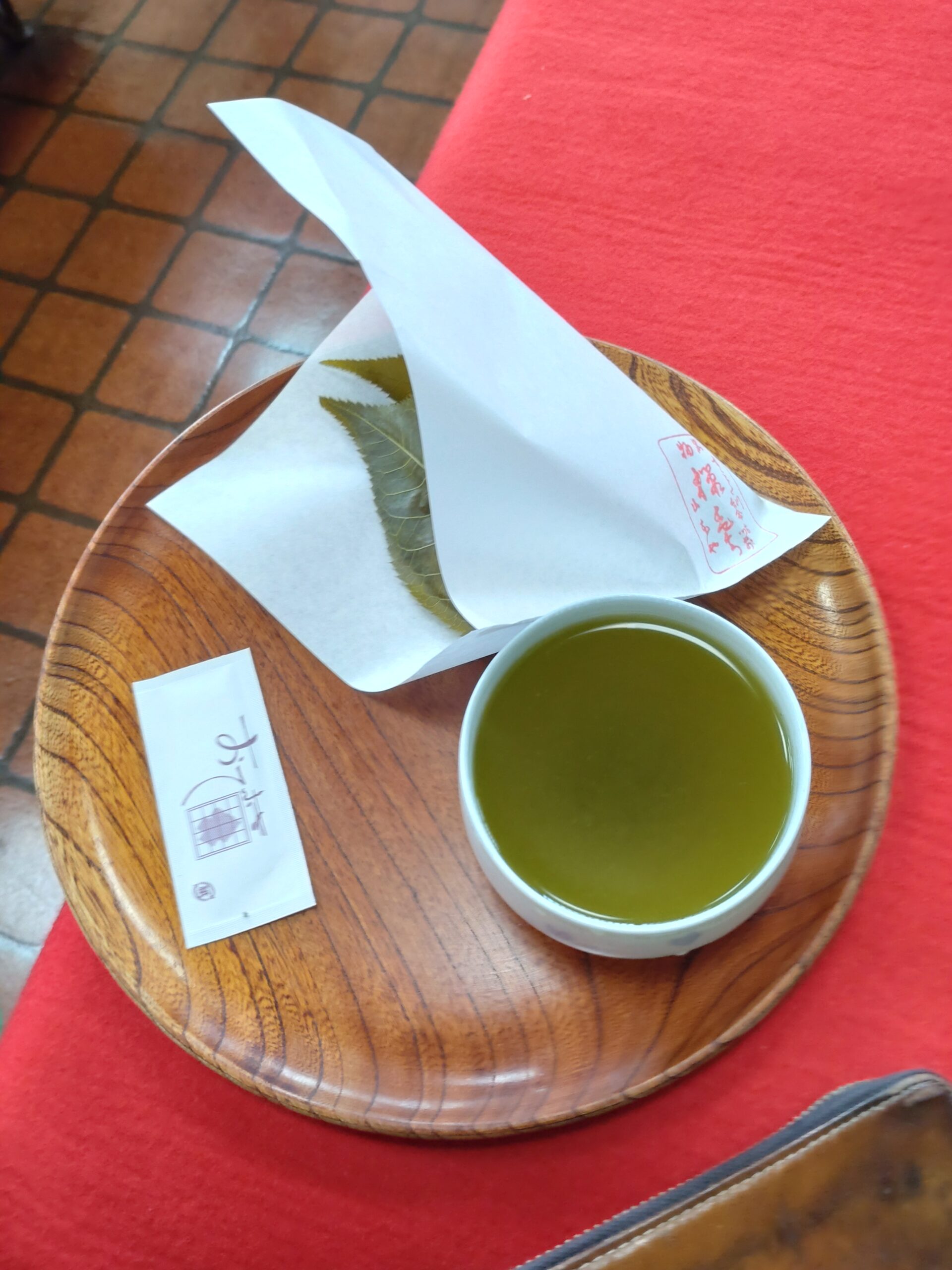
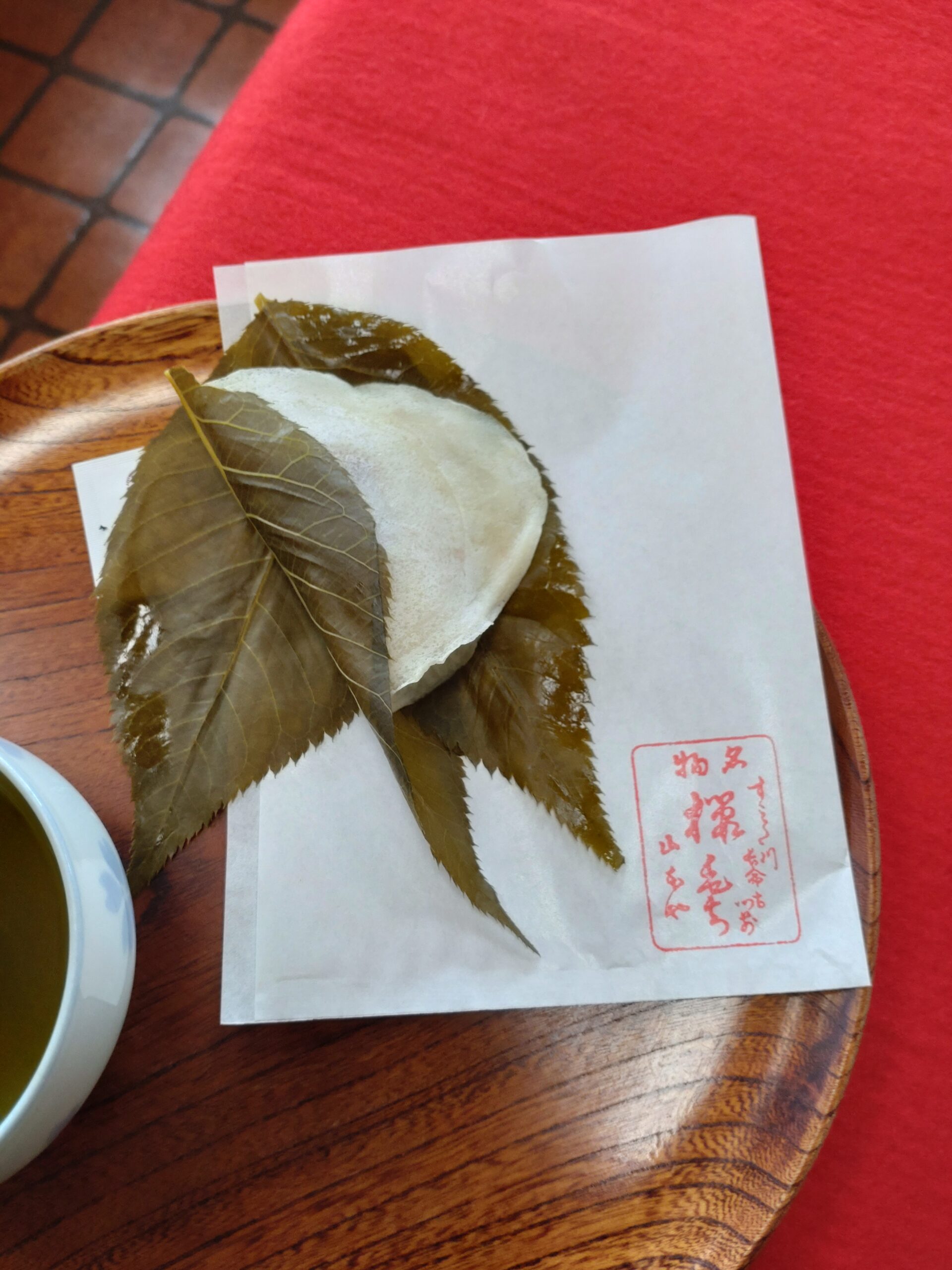
A rice cake made by folding a thin, white, crepe-like dough over sweet red bean paste and wrapping it in cherry leaves is served alongside a cup of sencha green tea. A single piece of mochi is wrapped snugly with three rather large leaves, leaving no gaps. A notice card suggests removing the leaves before eating. Seeing it explicitly written out like that made me wonder if some people actually eat it leaf and all, so I decided to give it a try. As it turned out, the leaves had almost no flavor; while they weren’t tough, they were dry and scratchy, making me feel like a cow or a horse chewing on grass.
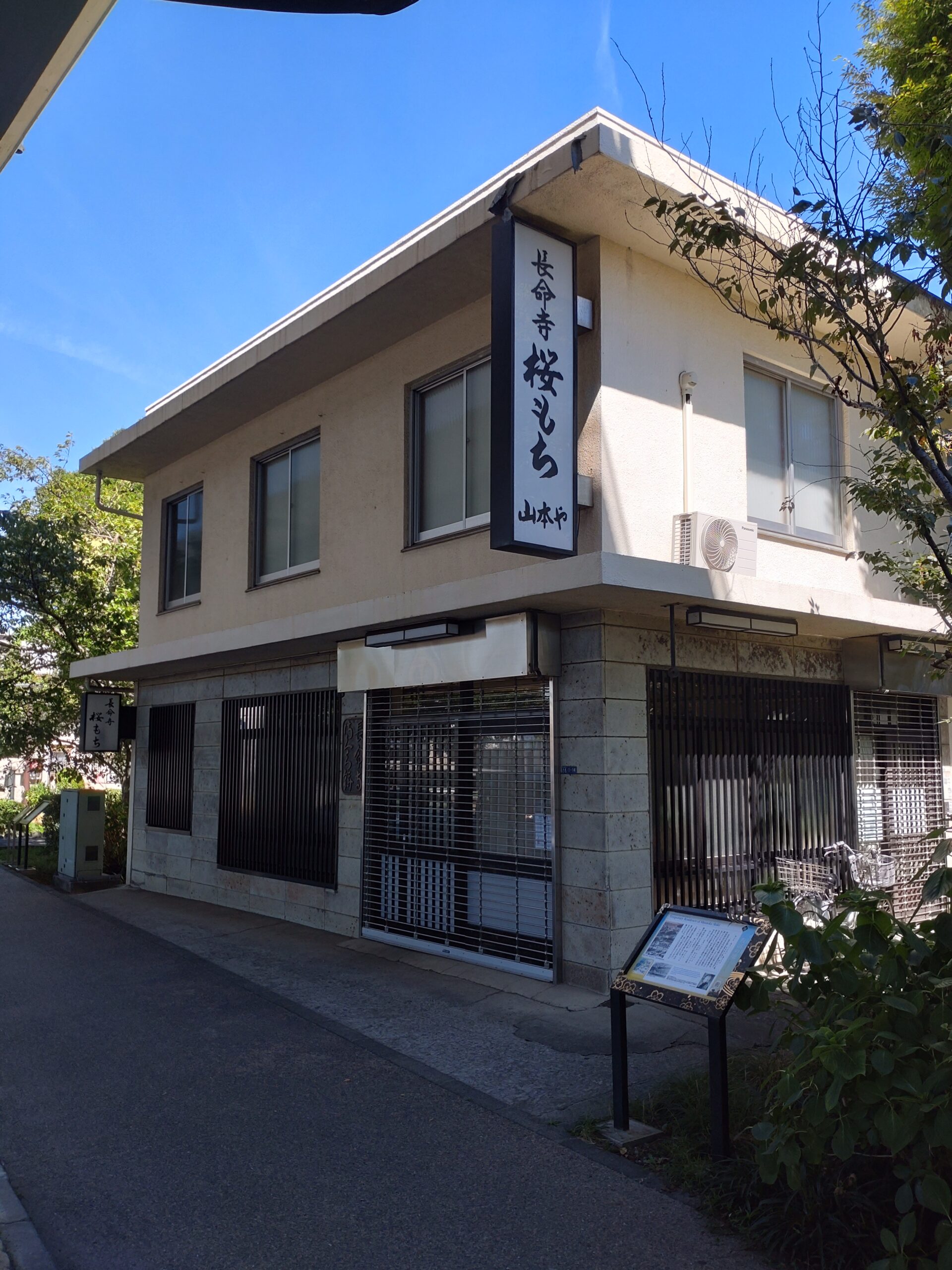
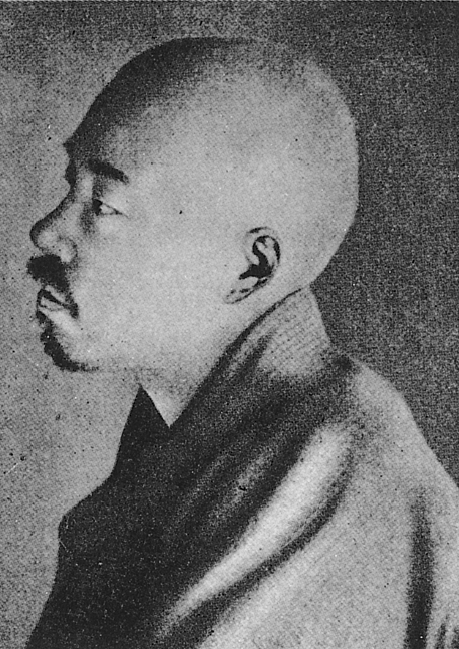
Masaoka Shiki, then a student in the main course of the Preparatory School of the University of Tokyo who aspired to become a writer, rented a room on the second floor of this Yamamoto-ya. He intended to use his summer vacation to build up a portfolio of his work. He likely figured that by staying along the Sumida River—the setting for numerous literary masterpieces ranging from The Tales of Ise and The Sarashina Diary to Noh, Kabuki, and Bunraku—he would never run short of subject matter. During his stay, Shiki penned a seven-volume collection of his works spanning classical Chinese poetry (kanshi), classical Chinese prose (kanbun), novels, and waka poetry, titled Mukojima Nanakusa-shu (The Seven Herbs Collection of Mukojima; 七草集).
Within this collection, for instance, the following poem can be found in the volume dedicated to classical Chinese poetry:
Having obtained a long thirty-day vacation,
I live in quiet seclusion by the banks of the Sumida.
The tolling of a bell echoes from a temple near the woods,
While the waterside pavilions roll up their bamboo blinds.
As I gaze around, wondering where to mourn the spirit of the famed courtesan,
I see that even now, the white gulls still dwell here.
Leaning on my staff as I search for traces of days gone by,
The evening sun, illuminating things near and far, fills me with melancholy.
得暇三旬久
閑栖墨水頭
敲鐘林際寺
捲箔水辺楼
何処弔名妓
于今有白鴎
一筇探古迹
遠邇暮光愁
Shiki went so far as to write a promotional poem for the shop on behalf of the owner.
Locking the fragrance of the blossoms into its young leaves—
Bring home this aromatic sakura-mochi as a gift for your family.
(Composed on behalf of the proprietor who sells sakura-mochi)
花の香を 若葉に込めて 香ぐはしき 桜の餅(もちひ) 家づとにせよ (桜の餅を商ふ主人に代はりて詠める)